
Rather than asking, "What's wrong with you?" I begin with a different question: "How do we make sense about the way you're feeling?"
Many people come to therapy feeling like something is wrong with them. They may already have been given diagnoses, treatment plans, or a list of symptoms to manage. Some find that helpful. Others sense important parts of their story have been overlooked.
Depth-Oriented Individual Therapy is about:
A collaborative relationship built on genuine, thoughtful, and personalized care
Space for curiosity, meaning-making, and self-acceptance
Being evidence-informed without becoming protocol-driven
Working with you as a whole person, not just symptoms
Today, therapy often takes place in systems shaped by insurance requirements, productivity expectations, and manualized treatment. Those systems can be valuable, but they also encourage therapists to think in terms of diagnoses, symptom checklists, and measurable outcomes. I believe therapy is something more.
Rather than asking, "What's wrong with you?" I begin with a different question: "How do we make sense about the way you're feeling?"
Therapy Isn't Just About Diagnosis
A diagnosis can provide clarity or access to services. And can be genuinely helpful. But diagnoses are not designed to capture the complexity of a person's life. They describe patterns of symptoms—not your relationships, values, history, resilience, or the unique way you've learned to get through life.
However, when diagnosis becomes the center of therapy, it's easy to start seeing yourself as a collection of problems to fix.
My approach is different. I see diagnosis as one possible piece of information, not the starting point of understanding you. Instead, we work together to understand your experiences, your relationships, your nervous system, your strengths, and the meaning behind your challenges.
Therapy Is More Than Symptom Reduction
Many therapy models are designed to reduce symptoms as efficiently as possible. This I am here for.
But meaningful healing doesn't always happen in a straight line:
Sometimes grief needs to be fully felt rather than quickly resolved.
Sometimes anxiety softens only after long-held beliefs start to shift.
Sometimes old wounds become more visible before they begin to heal
Rather than focusing only on making difficult feelings disappear, I help people develop a deeper, more trusting relationship with themselves. Symptom relief follows, not because we chased it directly, but because your greater understanding and deliberate, committed action creates lasting change.

Presence Before Technique
I’ve trained in different therapeutic approaches because I value having a wide range of tools available. But tools are only helpful when they're offered at the right time.
Research consistently finds that one of the strongest predictors of successful therapy is the quality of the therapeutic relationship itself not a particular technique. We heal when we feel understood, respected, and genuinely cared about. That's why I don't jump in with worksheets or protocols: I begin by listening.
During our sessions, my attention is on you, not a screen or a checklist. I sometimes take handwritten notes to keep technology in the background and our conversation at the center. Techniques matter, but presence comes first.
A Deliberately Smaller Practice
I intentionally choose not to build a high-volume practice. I no longer work with insurance, which allows me to spend more time preparing for sessions, thinking carefully about the people I work with, and offering individualized care. (And less time on documentation, diagnostic requirements, and administrative demands.)
For me, therapy isn't about seeing as many clients as possible, it's about giving each person the attention they deserve.
Let’s Work Together
You may be looking for something different if you've ever thought:
"I don't want to feel like a diagnosis."
"I've tried therapy before, but it felt like I was following a program."
"I want to be understood, not just have my symptoms treated."
"I'm looking for real change, not just coping skills."
"I want therapy that sees me as a whole person."
If any of this resonates with you and you’d like to explore individual therapy, feel free to reach out and schedule a free 20 minute consultation. I’d love to hear from you!
Also see my frequently asked questions for more information about what therapy with me looks like.
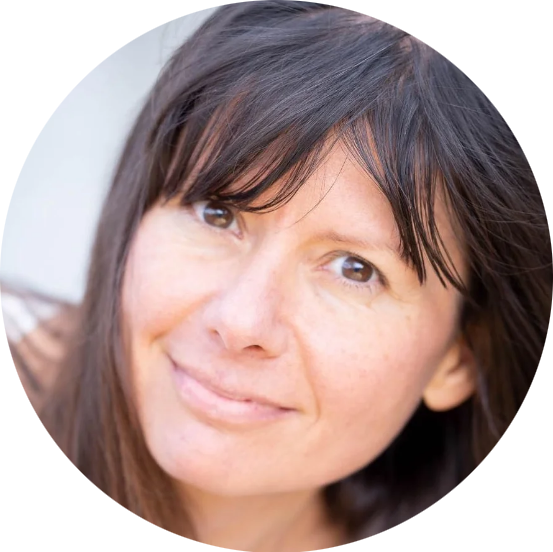

Lisa Hamilton is a psychotherapist located in Kentfield in Marin County, CA. She is a licensed therapist California (LPCC), New York (LMHC) and Arizona (LPC). She specializes with adults navigating high-performing anxiety, perfectionism, and burnout.